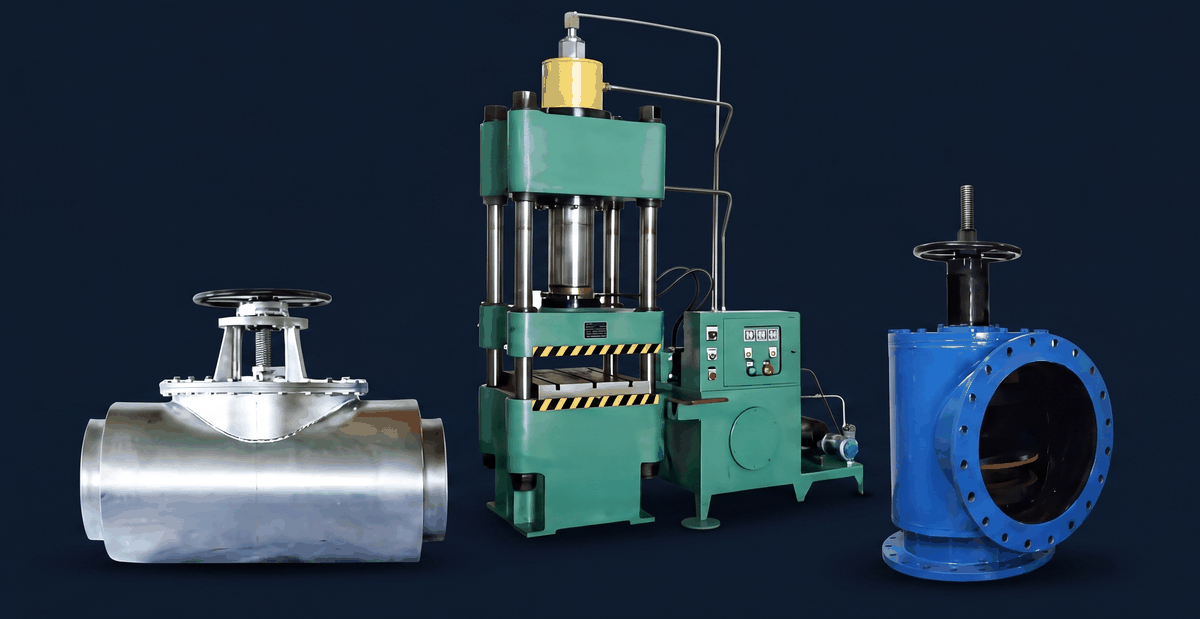
Flow Control Valves
Professional Valve Refurbishment & Reconditioning in India — our systematic 9-step repair process ensures every valve is restored to peak performance.
Every valve undergoes a thorough inspection to identify wear, corrosion, leakage, or operational issues through visual inspection, functional testing, and identification of damaged components.
The valve is carefully disassembled using proper tools and techniques to avoid further damage. Safe removal from pipeline, marking of components for correct reassembly, and controlled dismantling process.
All parts are cleaned to remove deposits, rust, and old sealing materials through chemical cleaning/degreasing, sandblasting or wire brushing, and surface preparation for inspection.
Each component is checked for defects and dimensional accuracy. Seat and sealing surface inspection, stem, disc, and body evaluation, and measurement against standards.
Damaged parts are repaired or replaced to restore valve performance. Lapping of sealing surfaces, machining (lathe, milling, drilling), welding and metal build-up, and rubber lining / seat replacement.
The valve is reassembled with precision to ensure proper alignment and sealing. Use of new gaskets and seals, torque-controlled tightening, and alignment verification.
Each valve is tested to meet industry standards and ensure reliability through hydrostatic pressure testing, leakage testing, and functional operation testing.
Final finishing improves durability and appearance with anti-corrosion coating, industrial-grade painting, and tagging and documentation.
Before delivery, the valve undergoes final checks and proper packaging. Quality certification, documentation report, and safe packing for transport.
Lathe, milling, lapping & testing equipment
Expert professionals with years of experience
Affordable refurbishment solutions
Fast delivery without compromising quality
Compliance with all industry standards